Quick answer: Permanent hair extensions (tape-in, weft or fusion) are attached to your natural hair and worn continuously between salon maintenance visits, typically every 6 to 8 weeks — unlike clip-ins, which you put in and take out yourself daily. They are called “permanent” because they stay in, not because they last forever; with proper care and regular maintenance, most methods last 6 to 12 months of reapplication cycles.
If you have searched for permanent hair extensions and found a wall of conflicting advice — some sites promising damage-free length overnight, others warning you off extensions entirely — you are not alone. The honest answer sits in the middle: permanent extensions are a genuinely good option for many people, but which method suits you depends on your hair type, budget and how much maintenance you are realistically willing to commit to. This guide covers the real methods, honest timelines, what actually happens at a professional appointment, and how to avoid the mistakes that lead to disappointing results.
What Are Permanent Hair Extensions?
“Permanent” in the extensions world does not mean forever — it means the extensions are professionally attached and stay in your hair between appointments, rather than being removable at home like clip-ins. You wash, style and sleep in them normally, and a stylist removes or reapplies them at scheduled maintenance visits.
This is different from semi-permanent styling changes like a blowout, and different from clip-in extensions, which are designed for occasional, temporary wear. Permanent methods are a bigger commitment upfront, but they give a more natural, everyday result since there is nothing to put in or take out yourself.
The Main Types of Permanent Extensions
Tape-In Extensions
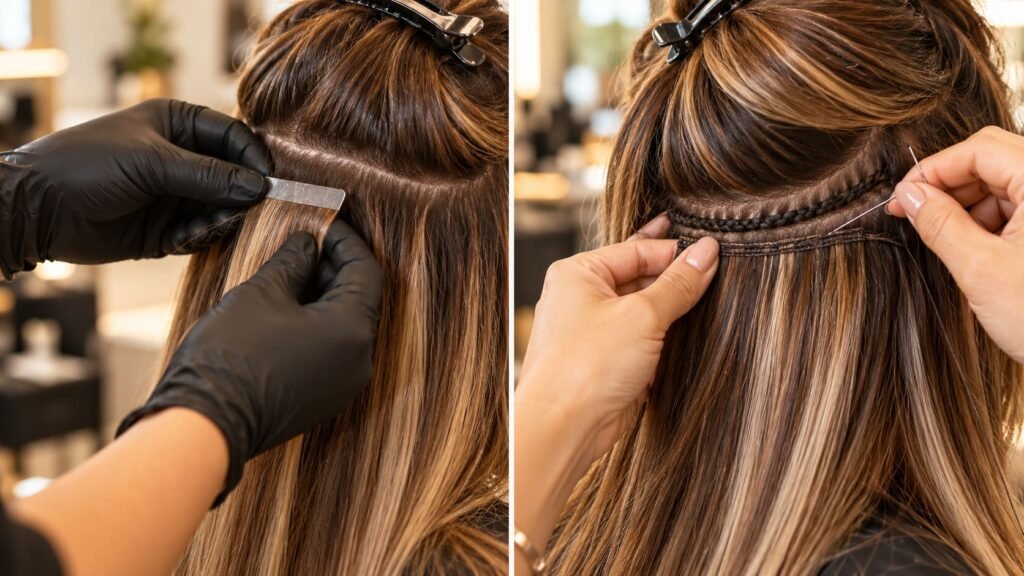
Tape-in wefts use thin, pre-taped sections sandwiched around small sections of your natural hair. They lie flat, are fast to apply (usually 45 to 90 minutes), and are one of the more affordable permanent options. They suit fine to medium hair well, since the tape sits close to the scalp without adding much bulk. See our full breakdown of tape-in hair extensions for pricing and the application process.
Weft Extensions
Wefts are sewn or micro-bead attached in rows, giving more density than tape-ins. They suit clients wanting significant volume or length, and the weight is distributed across a wider area of the scalp, which some clients find more comfortable for longer wear between visits. Application generally takes longer than tape-ins, often 90 to 120 minutes.
Fusion & Keratin Bond Extensions
Individual strands are bonded to small sections of natural hair using a keratin adhesive, applied with heat. This method blends very naturally since the bonds are small and can be placed precisely, and it allows more flexibility in styling, including updos and ponytails. It takes longer to apply than tape or weft methods and typically costs more per session, but many clients find the natural movement worth the extra time.
Which Method Suits Your Hair Type?
There is no single “best” method — the right choice depends on what you are starting with.
- Fine or thinning hair: tape-ins are usually the safest choice, since they lie flat and distribute weight evenly, minimising tension on fragile strands.
- Thick or coarse hair: wefts blend well and can handle the added density without looking obviously “added on.”
- Hair that needs to hold an updo or ponytail: fusion/keratin bonds tend to disappear better when hair is pulled back, since the attachment points are smaller and more scattered.
- First-time extension wearers: tape-ins are the easiest entry point — faster application, easier removal, and lower cost if you decide extensions are not for you.
A proper consultation should talk through all of this before you commit to a method, not push whichever option happens to be most profitable for the salon.
How Long Do Permanent Extensions Actually Last?
This is where a lot of marketing gets vague. Realistically:
- Tape-ins: reapplication every 6 to 8 weeks; the hair itself can be reused for 6 to 12 months with care.
- Wefts: similar 6 to 9 week maintenance cycle, with the hair often lasting 9 to 12 months.
- Fusion/keratin bonds: typically 3 to 4 months between reapplications, since the bonds grow out with your natural hair.
None of these are a one-time purchase — all permanent methods need ongoing maintenance appointments to stay looking natural and to protect your own hair as it grows. If a salon or product advertises extensions that never need maintenance, that is worth treating with scepticism.
Permanent Extensions vs Clip-Ins: Which Should You Choose?
| Factor | Permanent (Tape/Weft/Fusion) | Clip-In |
|---|---|---|
| Daily effort | None — wash and style as normal | Put in and remove every wear |
| Upfront cost | Higher (salon application) | Lower (one-time purchase) |
| Look | Consistently natural | Can look natural but variable by skill |
| Commitment | Ongoing maintenance appointments | None — wear only when wanted |
| Best for | Everyday length/volume | Occasional events, testing longer hair |
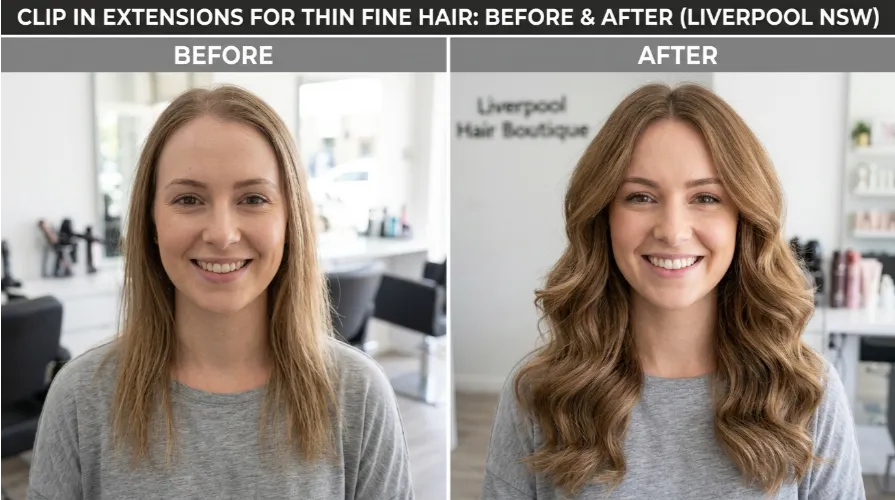
If you are unsure which category you fall into, clip-ins are a reasonable, low-commitment way to trial longer or fuller hair before booking a permanent method — there is no harm in testing the look first.
What to Expect: Step by Step
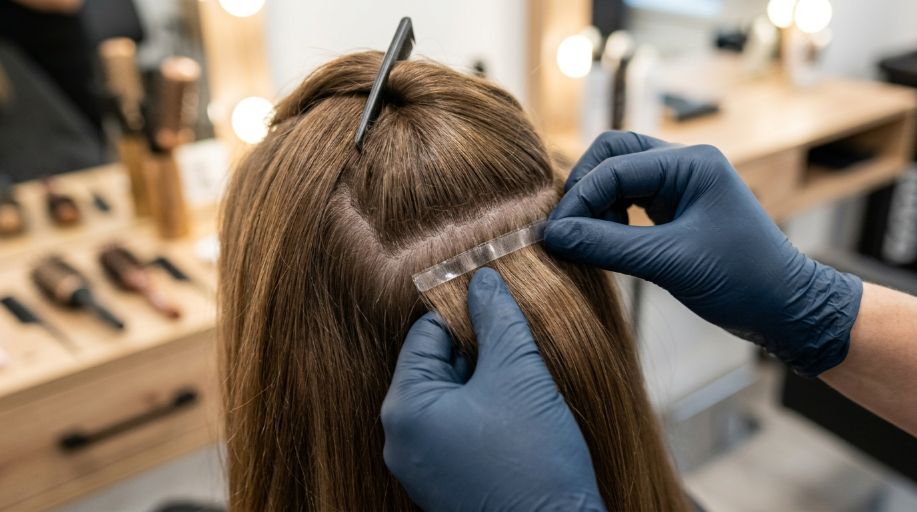
Step 1 — Consultation
A proper consultation is the difference between extensions that look natural and ones that do not. At Incredible Hair Beauty, we assess your natural hair density, condition and colour before recommending a method — not every client is a good candidate for every technique, and a stylist should tell you that honestly rather than upselling the most expensive option.
Step 2 — Colour Matching & Planning
We show you colour-matched samples against your natural hair in daylight, not just under salon lighting, and talk through realistic length and volume goals along with a clear cost breakdown before anything is applied.
Step 3 — Application
Depending on the method, application takes 45 minutes to 2+ hours. If your hair needs a treatment first to safely support extensions, we will say so rather than proceeding and risking damage.
Step 4 — Aftercare Briefing
Before you leave, we walk through exactly how to wash, brush and sleep with your new extensions, plus when to book your first maintenance appointment.
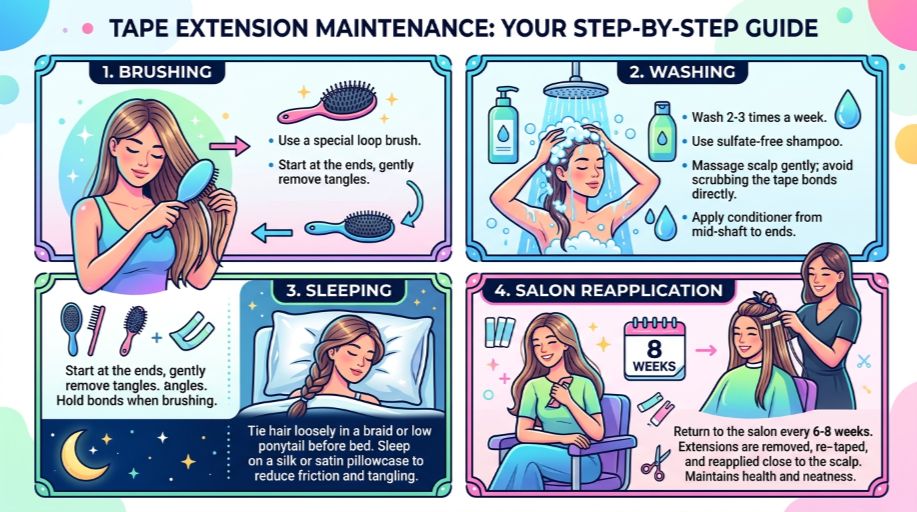
Caring for Permanent Extensions
A few habits make a real difference to how long your extensions last in good condition:
- Use a sulphate-free shampoo and avoid conditioner directly at the attachment points
- Brush gently from the ends up, using a loop brush designed for extensions
- Avoid tight, high ponytails or buns that pull on the attachment points
- Keep up with maintenance appointments — skipping them is the most common cause of matting and damage
- Avoid sleeping with wet hair, which increases tangling around the attachment points
Common Mistakes to Avoid
Choosing Based on Price Alone
The cheapest option is often synthetic or lower-grade hair that tangles quickly and does not blend well. Ask what hair type is being used before booking.
Skipping the Consultation
Booking blind, without a proper assessment of your natural hair, is the most common reason extensions end up looking obviously “added on” rather than blended in.
Ignoring Maintenance Windows
Pushing past the recommended reapplication window puts unnecessary strain on your natural hair as it grows out under the attachment points.
Not Asking About Removal
Ask how the method is removed before you commit — correct removal by a trained stylist protects your natural hair just as much as correct application does.
Frequently Asked Questions
Do permanent hair extensions damage your natural hair?
Applied and maintained correctly by a trained stylist, damage risk is low. Most damage comes from skipping maintenance appointments, incorrect application, or leaving extensions in far longer than recommended.
How much do permanent hair extensions cost?
Cost depends on the method, hair length and how many packs your hair needs. See our tape-in extensions pricing guide for a full breakdown, or book a consultation for an exact quote.
Can I swim and exercise with permanent extensions?
Yes, though we recommend tying hair back for swimming and avoiding very hot water directly on the attachment points, which can loosen tape and bonds faster.
What is the most natural-looking permanent extension method?
Fusion/keratin bonds generally blend most seamlessly since they attach to small individual sections, though well-placed tape-ins are a close second and easier to maintain.
How do I know if my hair is healthy enough for extensions?
A stylist should check this at consultation — very fine, fragile or chemically damaged hair may need a strengthening treatment first. We will always tell you honestly if that is the case rather than proceeding anyway.
Can permanent extensions be dyed or coloured?
Yes, though we recommend having colour done by a professional to avoid uneven results or damage to the extension hair. Let your colourist know you are wearing extensions before any colour service.
What happens if I want to remove them early?
A trained stylist can remove tape, weft or fusion extensions safely ahead of schedule using the correct solvent or technique — avoid trying to remove them yourself, which risks pulling out natural hair.
Are permanent hair extensions worth it?
For most people who want everyday length or volume without daily styling effort, yes — but they are a genuine commitment in cost and maintenance. If you only want longer hair occasionally, clip-ins are a better fit.
Can I get permanent extensions with short hair?
Yes, though very short hair (a pixie cut, for example) may need to grow out slightly first for extensions to blend naturally. We will assess this honestly at consultation.
How soon can I wash my hair after getting extensions?
Most methods are safe to wash after 24 to 48 hours, giving tape or bonds time to fully set. Your stylist will confirm the exact timing for your specific method.
Do permanent extensions work for curly or textured hair?
Yes, though matching curl pattern and texture matters more than with straight hair. Bring reference photos to your consultation so we can source extension hair that blends with your natural texture.
Ready for a Consultation?
The right permanent extension method depends entirely on your hair, not a generic recommendation. Book a consultation at our Liverpool or Merrylands salon and we will assess your hair honestly and talk through what will actually work for you.
Share
Related posts