So you’re stuck between henna brows and regular tint, and honestly, most people are at this exact point before their appointment. Both treatments darken and define your brows without the daily grind of pencils and powders. But they work in totally different ways, and the results stick around for very different lengths of time. This henna brows vs tint comparison breaks down exactly what separates the two.
If you’ve searched “henna brows near me” or wondered why your last regular brow tint faded within a week, keep reading.
What Is Henna Eyebrow Treatment?
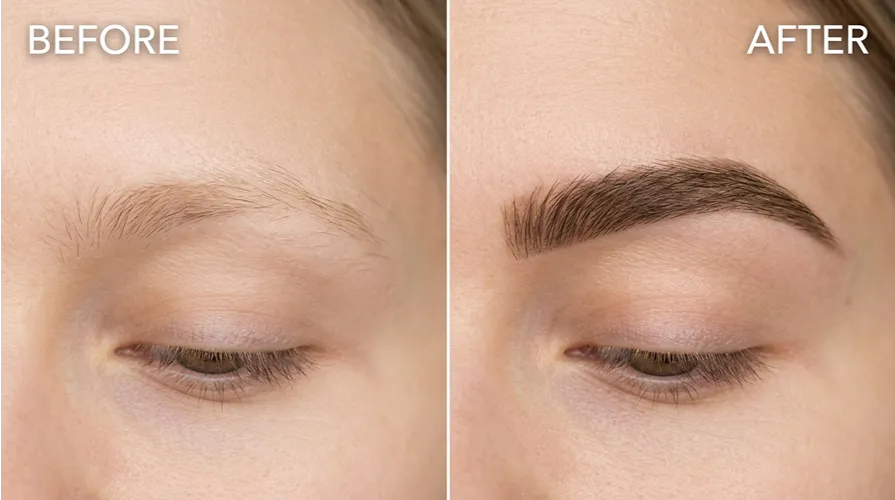
Henna eyebrow treatment uses a plant-based dye that stains both the hairs and the skin underneath them. That’s the big difference right from the start. Because it tints the skin as well as the hair, henna creates the illusion of thicker, fuller brows, even where growth is sparse.
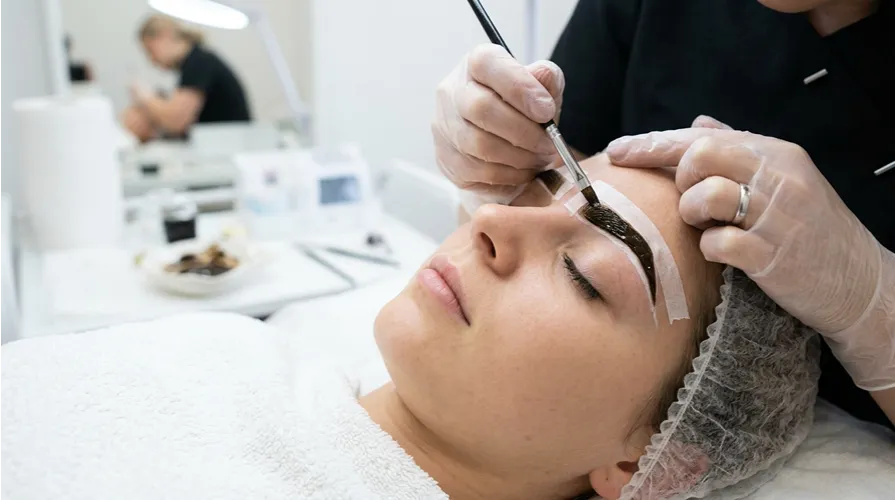
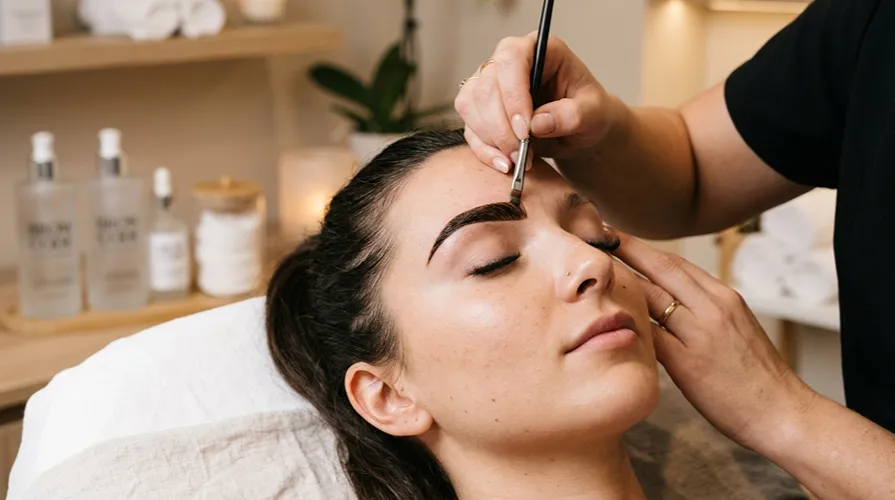
We mix the henna paste to match your desired shade, apply it directly onto the brow shape, then let it develop for around 20 to 30 minutes. Once we remove it, you’re left with deeper colour on the hairs and a soft, natural tint on the skin. That skin tint fades gradually over the following days.
What Is Regular Brow Tint?
Regular brow tint is a semi permanent colour that only touches the hairs, not the skin. It uses a cream or gel-based dye, similar to eyelash tinting, and it exists purely to darken and define the brow hairs you already have.
This makes regular tint a solid option if you’ve already got decent brow density and just want richer colour rather than a shape change or added fullness. It’s quicker to apply than henna and skips the long development time, though the results don’t last quite as long.
Henna Brows vs Regular Tint: Key Differences
| Feature | Henna Brows | Regular Tint |
|---|---|---|
| Stains skin | Yes | No |
| Stains hair | Yes | Yes |
| Best for sparse brows | Yes | Not ideal |
| Average lasting time | 4 to 6 weeks | 2 to 4 weeks |
| Development time | 20 to 30 minutes | 10 to 15 minutes |
| Natural finish | Fuller, more defined | Subtle, hair-only |
| Skin sensitivity risk | Lower (plant-based) | Slightly higher |
Genetics, your skincare routine, and how oily your skin gets around the brow area all affect how long either treatment lasts on you.
How Long Does Brow Tint Last?
We get asked this constantly, and the honest answer depends on which treatment you pick.
Henna Brow Longevity
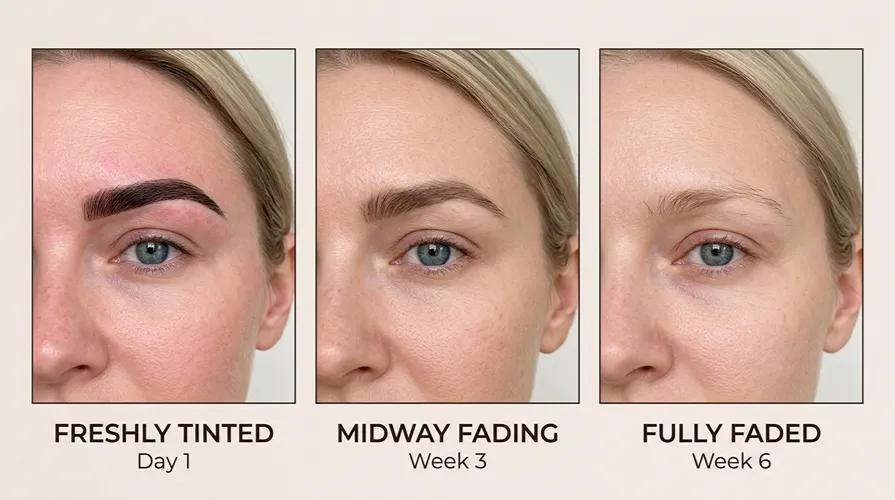
Henna dyes the skin as well as the hair, so the overall effect sticks around longer. Expect the skin stain to fade within 5 to 10 days. The hair colour itself, though, can last 4 to 6 weeks with the right aftercare.
Regular Tint Longevityfor Your Skin Tone
Picking the right shade matters more than most people realise. Here’s the quick guide our therapists use when matching brow tint colour:
- Fair skin and light hair: ash brown or taupe tones work best, nothing too harsh
- Medium skin tones: warm brown or chestnut shades blend naturally
- Olive skin: dark brown with a slight warmth suits most clients
- Dark skin and dark hair: charcoal or near-black tones create the most seamless look
- Redheads: auburn or soft copper tones complement warmer undertones
A good technician always checks your natural hair colour, skin undertone, and even your eye colour before settling on a final shade.
Brow Tint Cost Comparison
Pricing varies by salon and location, but generally, henna brows cost a bit more than regular tint because of the extra time and product involved. Regular tint is quicker to apply, and the price usually reflects that.
Factor in how much longer henna lasts, though, and it often works out better value over a month or two compared to booking regular tints more often.
Professional vs DIY Brow Tint
At-home kits have gotten more popular, and sure, they seem convenient. But salon treatments remain the safer, more reliable choice, and here’s why.
A professional technician shapes the brow properly before applying colour, adjusts the formula based on how your skin reacts, and fixes any unevenness on the spot. DIY kits leave very little room for error. If the dye sits too long or goes on unevenly, you’re stuck with the result until it fades or grows out.
Want a treatment tailored to your face shape and colouring? Booking a professional eyebrow tinting and henna brows service gives you a far more consistent result than experimenting at home.
Henna Brow Aftercare
A good henna brow aftercare routine isn’t complicated, but a few habits genuinely make a difference:
| Do | Avoid |
|---|---|
| Keep brows dry for 12 to 24 hours after treatment | Swimming or steam rooms straight after |
| Apply a light brow oil or balm daily | Rubbing or scrubbing the brow area |
| Use gentle, oil-free cleansers nearby | Harsh exfoliants around the brows |
| Pat dry rather than rub when washing your face | Excessive sun exposure in the first few days |
Stick to these basics and you’ll extend how long the tint holds, especially the skin stain from henna, which fades faster if water or friction hits it too soon.
Brow Lamination vs Tinting
These two treatments get lumped together a lot, but they solve different problems. Tinting adds colour. Lamination reshapes the brow hairs, brushing them upward and holding them in place for a fluffier, more sculpted look.
Plenty of clients combine both, getting brows laminated for shape then tinted for colour depth. On its own, tinting wins if faded or sparse-looking colour is your main concern rather than unruly brow hair direction.
Natural Brow Tinting Option?
Naturally sparse brows, or want that fuller, defined shape? Henna is generally the stronger pick. Already got good brow density and just want fresher colour? Regular tint does the job quickly and costs less.
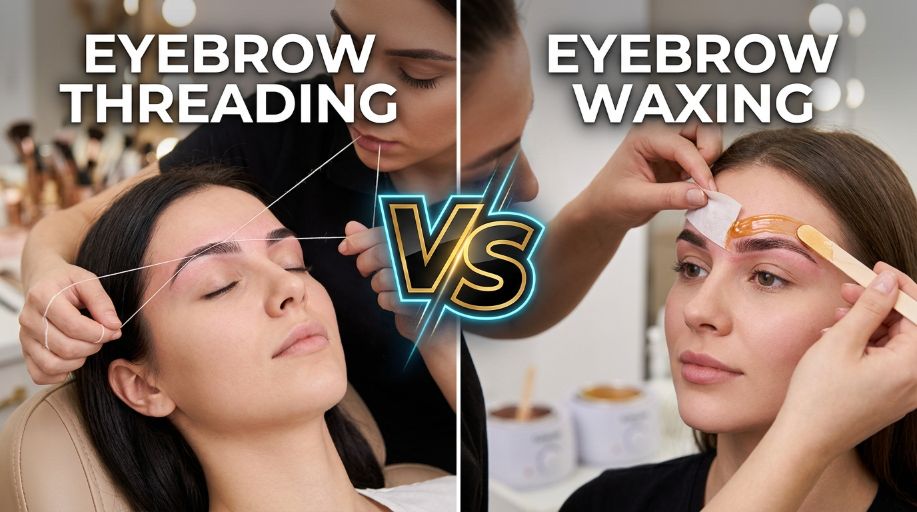
Shape matters just as much as colour, too. If you’re still figuring out what suits your face, check our guide on eyebrow shapes before your next appointment. Prefer threading to maintain that shape between tints? Our eyebrow threading in Liverpool service pairs well with either tinting option.
Either way, going professional makes the biggest difference to how natural and long lasting your final result looks.
Common Questions Asked
1. What’s the main difference between henna brows and regular tint?
Henna brows vs regular tint comes down to one thing: skin staining. Henna eyebrow treatment dyes both the hairs and the skin underneath, which fills in sparse areas and creates a fuller look. Regular brow tint only colours the hair strands, so it works best if you already have decent brow density.
2. How long does brow tint last compared to henna?
This is the question we hear most. Henna brows typically last 4 to 6 weeks on the hair, with the skin stain fading within 5 to 10 days. Regular brow tint lasts a shorter 2 to 4 weeks since it only affects the hair and fades faster as new growth comes through.
3. Is henna brows or regular tint better for sparse eyebrows?
Henna wins here. Because henna eyebrow treatment stains the skin as well as the hair, it creates the illusion of fuller brows even where growth is patchy. Regular tint can’t do this since it only darkens existing hair.
4. What’s the cost difference between henna brows and regular tint?
Henna brows usually cost a little more than regular tint because of the extra product and application time involved. That said, since henna lasts longer, many clients find the brow tint cost comparison actually favours henna over a month or two of fewer touch ups.
5. Should I choose professional or DIY brow tint?
Professional application beats DIY every time when it comes to precision and safety. A trained technician shapes the brow correctly, adjusts the formula for your skin, and fixes any unevenness immediately. DIY brow tint kits leave little room for error, and mistakes are hard to undo until the colour fades out.
6. Is henna brow aftercare different from regular tint aftercare?
Henna brow aftercare needs a bit more attention in the first 24 hours. Keep the area dry, skip swimming or steam rooms, and avoid rubbing or exfoliating near the brows so the skin stain sets properly. Regular tint aftercare is simpler since there’s no skin stain to protect, just gentle cleansing around the area for the first day or two.
Share
Related posts