Quick answer: Nanoplasty is a hair smoothing treatment that uses nano sized particles to coat and smooth the hair shaft, reducing frizz and softening texture without the stronger chemical straightening action of older formaldehyde based treatments. It is often compared to keratin treatments and hair botox, which work in a similar way but with different ingredients and results.
Nanoplasty has become one of the most searched hair treatments in Australia, and it is easy to see why. Frizz control and smoothing treatments are in high demand, but the terminology around them, nanoplasty, keratin, hair botox, can be genuinely confusing. Here is a clear, straightforward breakdown of what nanoplasty actually is, how it compares to similar treatments, and what to consider before booking one.
What Is Nanoplasty?
Nanoplasty is a hair treatment that works by depositing extremely small particles of smoothing and conditioning ingredients into the hair cuticle. The aim is to fill in rough or damaged areas of the hair shaft, seal the cuticle, and leave hair looking smoother, shinier, and more manageable. Unlike a chemical relaxer, it does not break down the hair’s internal bonds to permanently straighten it. Instead, it coats and conditions the hair, which is why the result tends to look like a smoother, frizz free version of your natural texture rather than poker straight hair.
How Does It Work?
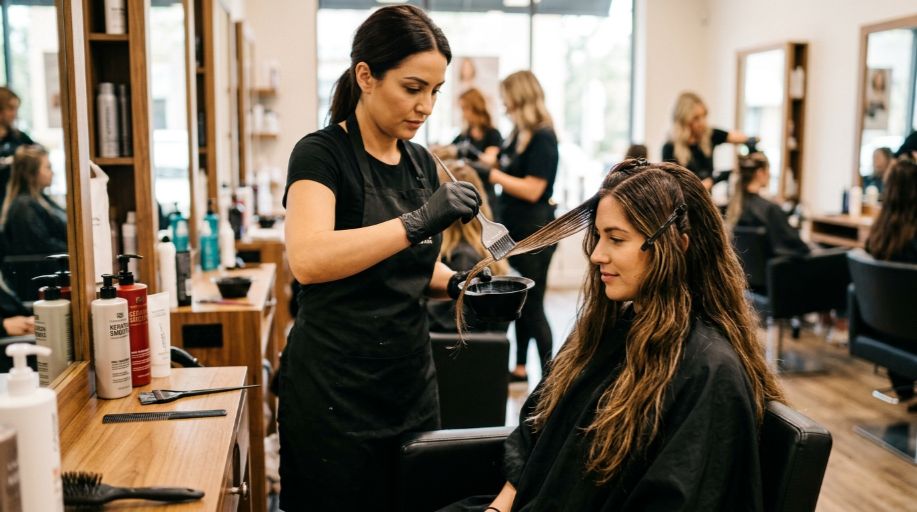
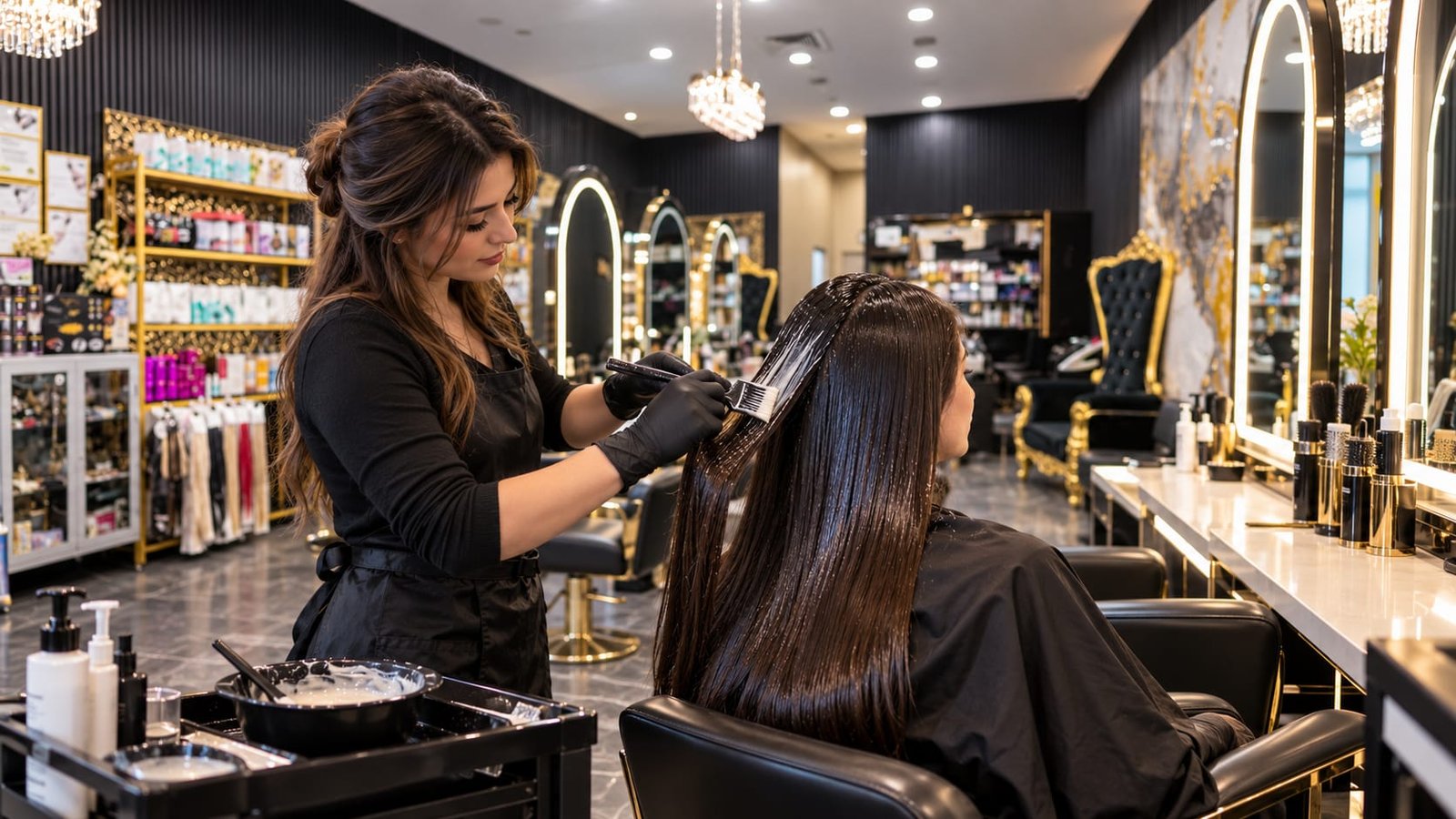
During the treatment, a nanoplasty product is applied section by section through the hair, often combined with heat from a flat iron to help the particles bond to the hair shaft. The exact formula and process varies between brands and salons, which is part of why results and pricing differ so much depending on where you go.
Nanoplasty vs Keratin Treatment vs Hair Botox
These three treatments are often mentioned in the same breath because they solve a similar problem, frizz, texture, and manageability, but they are not identical.
- Nanoplasty focuses on smoothing and conditioning using nano sized particles, generally marketed as a gentler option with less emphasis on actual straightening.
- Keratin treatments work by depositing keratin protein into the hair, which can offer a stronger smoothing and frizz reducing effect, and traditionally some keratin treatments used formaldehyde or formaldehyde releasing ingredients, though many modern versions avoid this.
- Hair botox is not actually botox. It is a marketing term for a deep conditioning treatment rich in proteins, vitamins, and amino acids, designed to repair and smooth hair rather than chemically alter its structure at all.
In practice, the differences often come down to the specific product a salon uses rather than the category name alone, so asking your stylist exactly what is in the product and how it works is always worth doing before any smoothing treatment.
Is Nanoplasty Bad for Your Hair?
This depends heavily on the specific product used and how it is applied. A well formulated nanoplasty treatment, applied correctly, is generally considered gentler than older style chemical straightening treatments, since it coats rather than breaks down the hair structure. That said, any smoothing treatment that uses heat and chemical ingredients carries some risk if it is overused, left on too long, or combined with other heavy chemical processes like bleaching. Always ask about the ingredients, and mention any colour treated or chemically processed hair to your stylist beforehand.
How Long Does It Last?
Results typically last between two and four months, depending on hair type, how often you wash your hair, and the products used afterwards. Because nanoplasty coats rather than restructures the hair, it tends to wash out gradually rather than growing out sharply like a permanent treatment would.
Does It Work on Curly Hair?
Nanoplasty can soften and reduce frizz in curly hair, but it is not designed to permanently straighten curls the way a chemical relaxer would. If your goal is frizz control while keeping some natural texture and movement, this type of treatment is generally a better fit than a straightening treatment designed to fully flatten the hair.
Caring for Treated Hair
Most smoothing treatments recommend waiting a short period before washing your hair, avoiding tying it up or clipping it while the treatment settles, and switching to a sulphate free shampoo afterwards to help the results last longer. Your stylist should walk you through specific aftercare instructions for the exact product used.
Frequently Asked Questions
What is the difference between nanoplasty and a keratin treatment?
Nanoplasty uses nano sized smoothing particles and is generally positioned as gentler, while keratin treatments deposit keratin protein and can offer a stronger smoothing effect. The right choice depends on your hair type and how much smoothing you want.
How long does nanoplasty last?
Most people see results for two to four months, depending on hair type, wash frequency, and aftercare.
Does nanoplasty contain formaldehyde?
This varies by product and brand. Always ask your stylist about the specific ingredients in the product they use before booking.
Can you colour your hair after nanoplasty?
Timing matters here, and it is best to discuss colour services with your stylist so they can advise the right order and gap between treatments for your hair.
Is hair botox the same as keratin treatment?
No. Hair botox is a deep conditioning treatment rich in proteins and vitamins, while keratin treatments specifically deposit keratin protein and can have a stronger smoothing effect.
Does nanoplasty work on curly hair?
It can reduce frizz and add smoothness to curly hair without fully straightening it, making it an option for those who want more manageable curls rather than straight hair.
Looking for Hair Smoothing and Treatment Options?
If frizz control, smoothness, and healthier looking hair are what you are after, our Style and Treatment services include hair spa treatments designed to nourish and condition your hair. Book a consultation and our team can talk through the best option for your hair type and goals.
Book an appointment online, or call us on 02 8798 1555 to ask which treatment suits you.